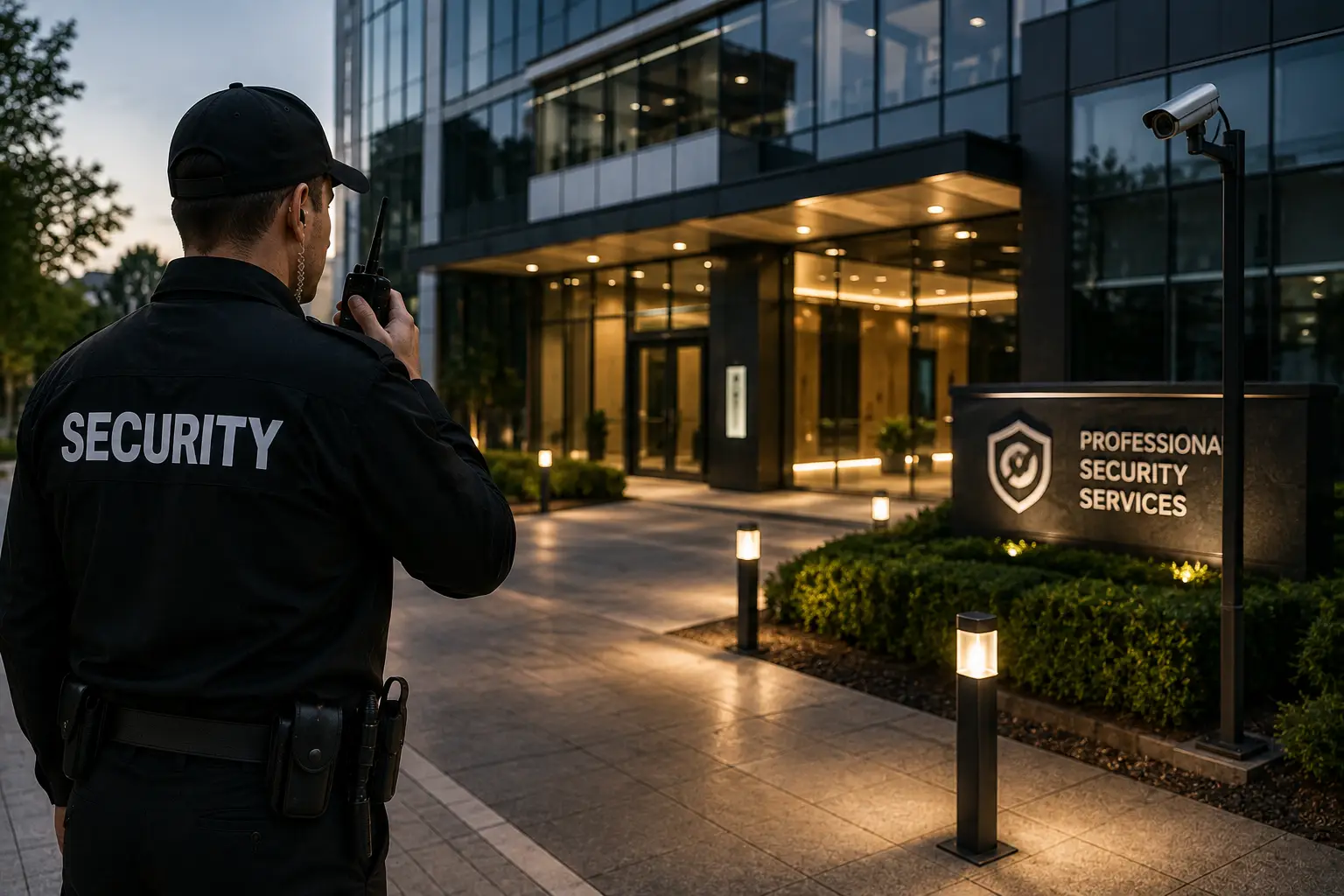


Why a Robust Security Plan
Is Retail’s Best Defense Against Shrink
Shrink cost U.S. retailers an estimated $90 billion in 2025, and nearly three-quarters of it was preventable, according to Appriss Retail’s 2026 Total Retail Loss Benchmark Report. The retailers that are getting it under control share a single trait, a security plan built on data about where losses happen, not just stationing a guard posted at the door and hoping for the best. This article covers why shrink issues are category specific, why generic security solutions fall short, and what is included in a robust security plan.
Shrink is still a margin problem
Shrink is the gap between the inventory that a retailer’s records state that it has displayed on the shop floor and what is actually on the shelf. For a business running on low single-digit margins, every point of shrink comes straight out of profit.
The headlines in 2026 are mixed. The National Retail Federation reported in July that the average number of shoplifting incidents fell for the first time in several years, per Retail Dive. Yet the Council on Criminal Justice found reported shoplifting in major U.S. cities was up 4% in the first half of 2026 versus the same period in 2025.
The NRF credited the improvement to store hardening, deterrence, response and employee de-escalation training. In short, where shrink is falling, it is falling because retailers specifically invested in security. Pulling back those enhanced security measures now would hand those gains back.

Shrink is not one problem
A store-wide shrink number hides where the money is actually going. Loss prevention leaders are increasingly measuring shrink by category, a theme of Loss Prevention Media’s November 2026 episode on category-level shrink insights. The goal is to use a data first approach and take the guesswork out of where to put staff, fixtures and technology.
The causes are just as varied. Appriss estimates the $90 billion in 2025 shrink broke down as follows:
Source of loss | 2025 estimate |
Employee theft | $26 billion |
Inventory errors | $19 billion |
Operational errors | $12 billion |
Organized retail crime | $9 billion |
Source: Appriss Retail, 2026 Total Retail Loss Benchmark Report.

Each source calls for a different methods of response:
- High-theft categories. Health and beauty, over-the-counter medicine, fragrance, razors, alcohol and small electronics are small, valuable and easy to resell. They draw both opportunists and organized crews.
- Organized retail crime. Coordinated crews work multiple stores, often quickly and aggressively. They require trained security, who provide a visible response and robust synchronization with law enforcement.
- Internal theft. Employee theft is the largest single area of shrinkage. This is commonly addressed through access control, regular auditing and a presence that covers stockrooms and product receiving areas, not just the sales floor.
- Process errors. Mis-scans, receiving mistakes and paperwork gaps look like theft on the books. Officers who log activity and report anomalies are stationed to help separate real theft from data that is simply bad.
Why generic security falls short
Many stores will not have a strategic plan for security and will simply station a single officer at the entrance on the same schedule every week. That approach misses most of the losses described above.
- It guards the wrong places. A door post has little effect on stockroom theft, receiving errors or a crew working the fragrance aisle.
- It runs on the wrong schedule. Theft typically clusters around specific days, hours and seasons. Coverage that ignores those patterns ends up paying for hours when little happens, rather than shoring up coverage for when they are most at risk.
- It produces no data. Without logs and incident reports, a retailer is unable to make informed security coverage decision, as they will have little idea as to what is working or which categories need attention.
- It reacts instead of deterring. Locking up merchandise and pulling products from shelves will reduce theft, however it can also dramatically diminish sales and frustrate honest customers.
The result is security that costs money without moving the shrink number.
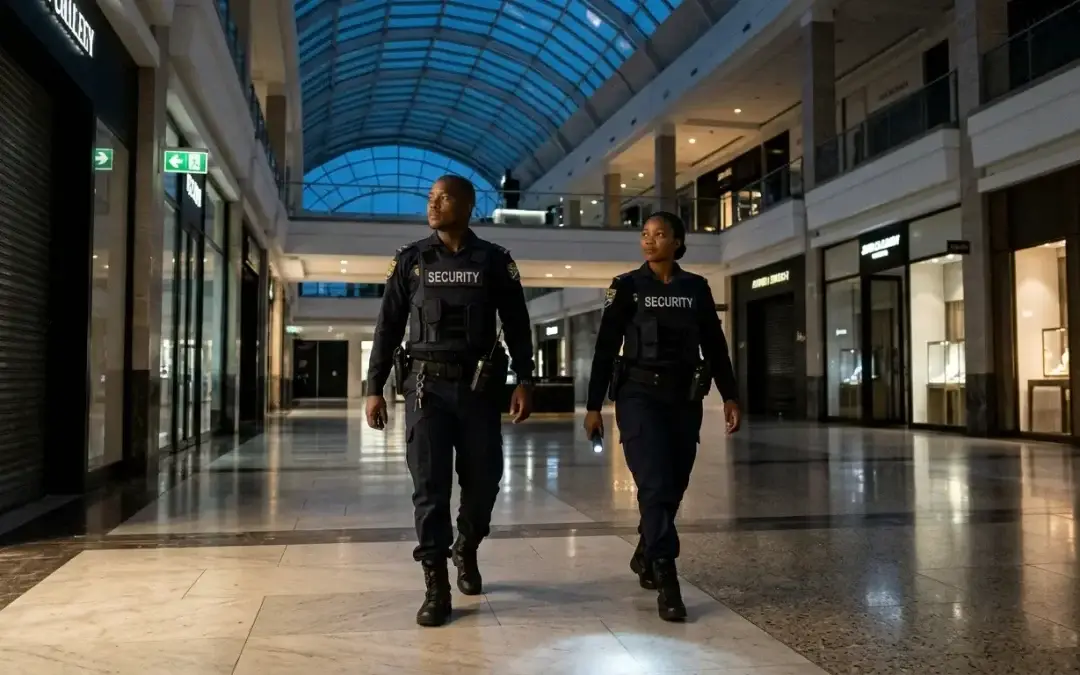
What a robust security plan includes
A robust plan utilizes data to direct security resources to where, when and how each store loses inventory. It has five parts.
- A risk assessment by store and category. Start by analyzing the shrink data, incident history and floor layout. This will enable you to identify the categories, hours and entry points that are the driving force behind losses.
- Trained, visible officers placed where risk is highest. Officers should know the post, the high-theft aisles and the store’s procedures. Visible presence deters opportunists and reduces the effectiveness of organized crews.
- De-escalation and response training. Theft can rapidly become confrontational. Officers are trained to observe, report and de-escalate situations, whilst protecting staff and customers to reduce overall liability.
- Technology that creates a record. GPS check-ins, patrol logs and photo-verified incident reports provide a detailed log of what happened, at what time and where did it occur. That record enables loss prevention teams to see whether coverage is working.
- A partnership with the store team. Store managers and officers should share what they see. Regular reviews of incident data keep coverage aligned with changing patterns.
The plan is not set once. As category-level data shows where losses move, coverage should move with them.
The payoff goes beyond inventory
Reducing shrink is the measurable return, but a strong security plan pays off in other ways.
- Safer stores. The NRF has said concerns about shoplifting and related violence remain high, per Fox Business. A trained officer provides sales associates with someone to call on instead of confronting a thief themselves.
- Better customer experience. Effective deterrence enables retailers to keep more merchandise on open shelves instead of behind inconvenient locked cases.
- Employee retention. Associates who feel safe in their work environment are more likely to remain in their job, which lowers hiring and training costs.
- Better decisions. Consistent incident data provides leadership with data to help them decide where to invest in fixtures, technology and staffing.
Build a plan that fits your stores
Shrink is easing for retailers that invested in deterrence and response, but it remains a costly problem for those that did not. A security plan built around category-level risk, trained officers and reliable data is how retailers protect margins, staff and customers.
Guard Services USA provides contract security officers for retail stores across the U.S., Canada and Puerto Rico. Our officers have completed 150,000+ shifts across 20,000+ locations, with 99%+ same-day shift fulfillment. Our Guard Check-in app utilizes GPS check-in, photo verification and real-time client feedback, so you can see exactly what coverage you are getting.
For retailers managing both security and store upkeep, our sister company Facilities USA provides facility services nationwide.
Ready to reduce shrink? Contact Guard Services USA for a security assessment of your stores.
Sources
- Appriss Retail, 2026 Total Retail Loss Benchmark Report (Business Wire, Feb. 2026)
- Retail Dive, NRF finds shoplifting stabilizing as online fraud grows (July 2026)
- Loss Prevention Media, Inside Scoop on Category-Level Shrink Insights, Ep. 112
- Fox Business, CEOs say shrink is easing, but experts warn retail theft isn’t