
Rapid-Response Security
Covering the Unexpected
Emergency security is the ability to put trained officers on a site within hours, when a storm, a protest or a sudden building failure leaves a property exposed. The majority of emergencies share the same three problems, the building has heightened vulnerability, the people who normally protect it may not be available and there is a lack of time to run a normal procurement process. The organizations that can ride these events with the least loss/disruption are the ones that have a plan in place for who they will call and what they will ask for. That will be the key to rapidly getting officers on location.
This article covers three situations where we are seeing a growing call for last-minute security, these are severe weather, civil unrest, and covering a building while emergency work is carried out. It closes with a short checklist you can use to prepare before you need it.
Severe weather. Before, during and after the storm
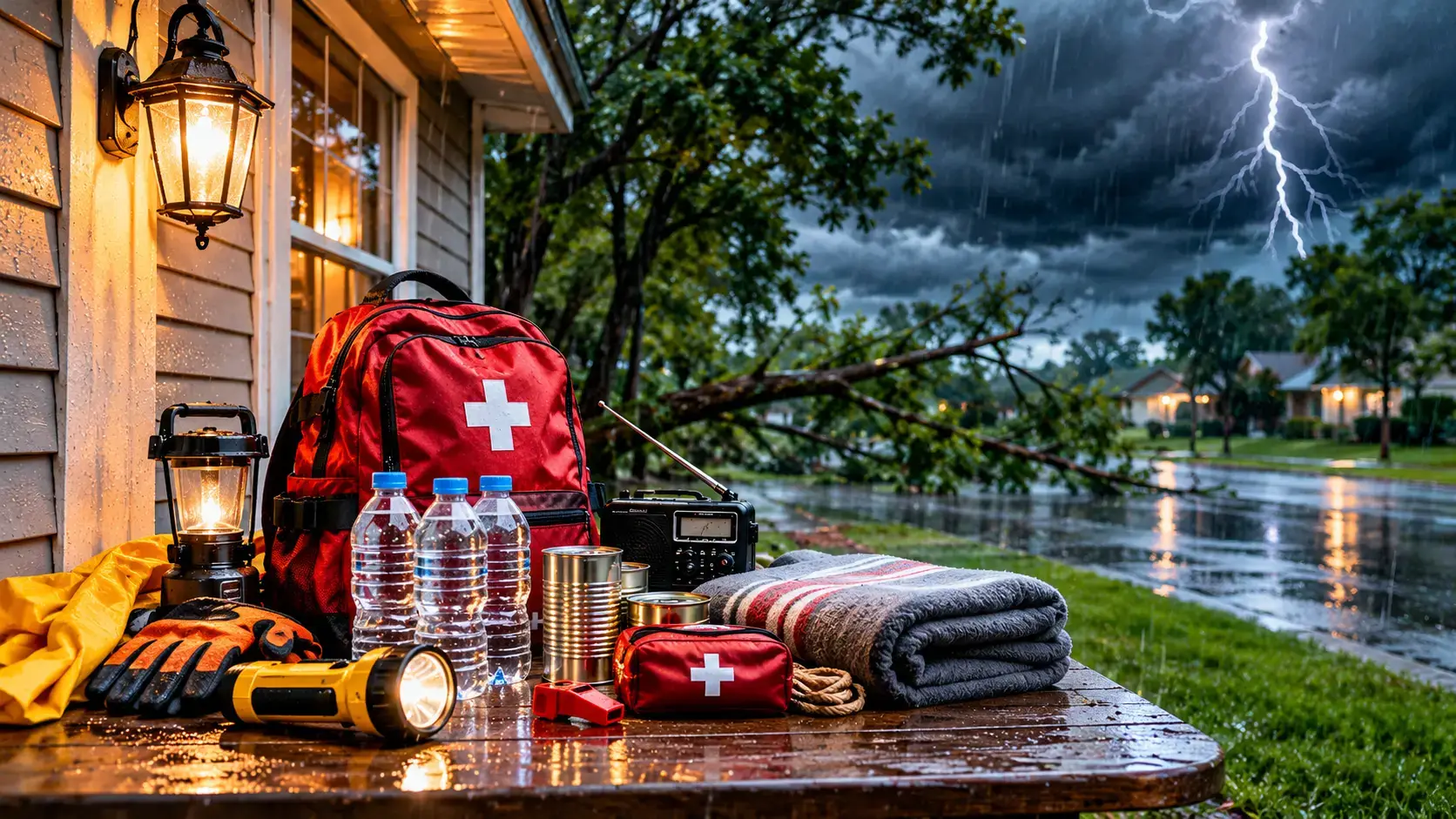
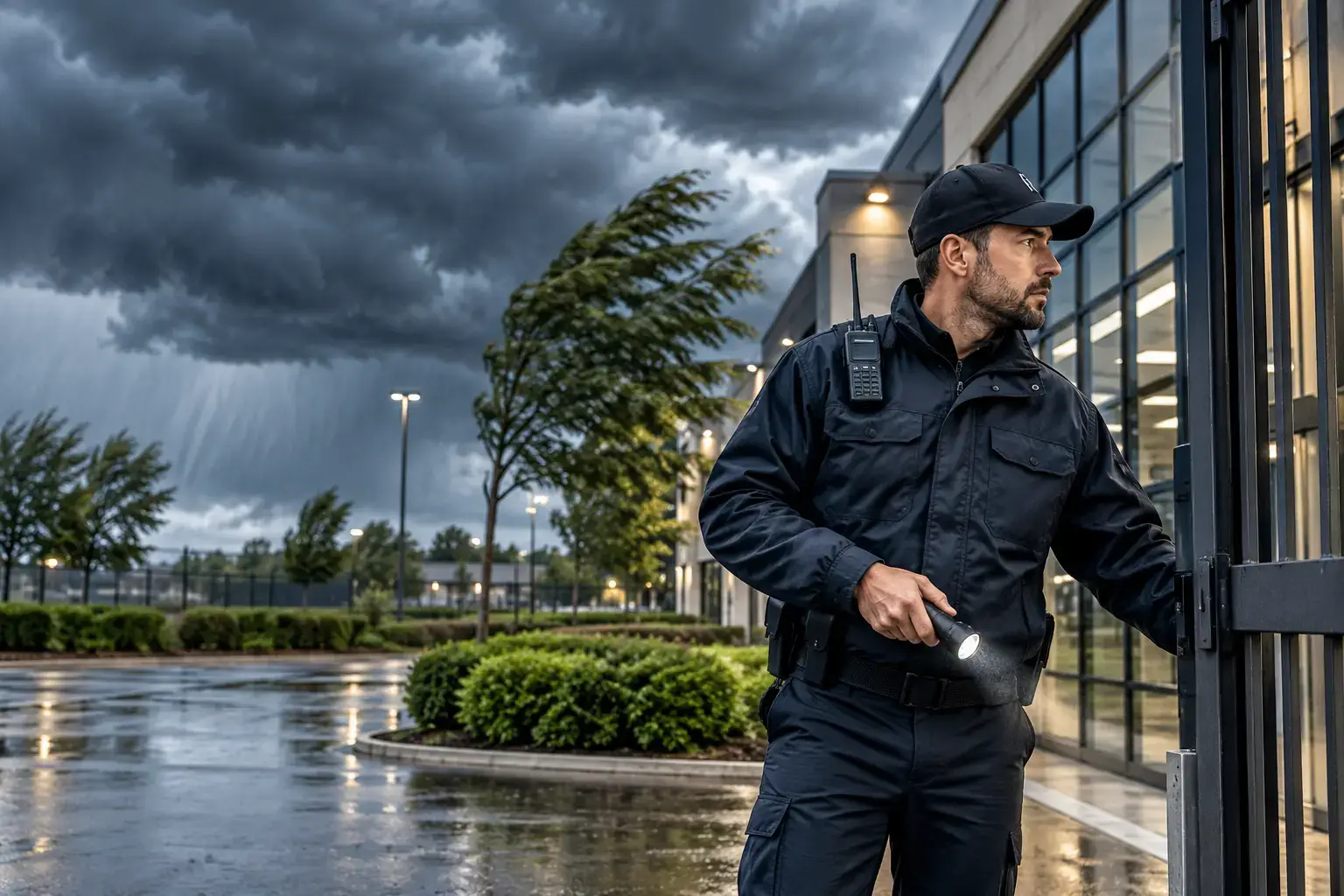
Hurricanes, ice storms, floods and tornadoes create a security risk on both sides of the event. The weather itself is only one part of it. The days after the storm, when there is a loss of power, alarms are down and staff can’t get to work, are often when properties see maximum exposure.
Before the storm
When a storm is forecast, officers can help a site prepare for an orderly close down:
- Walk the perimeter and confirm doors, gates and windows are secured.
- Log and take pictures of the pre-storm condition of the building and equipment.
- Manage access while staff remove inventory or install protection.
- Stay on site through a closure if conditions safely allow it.
After the storm
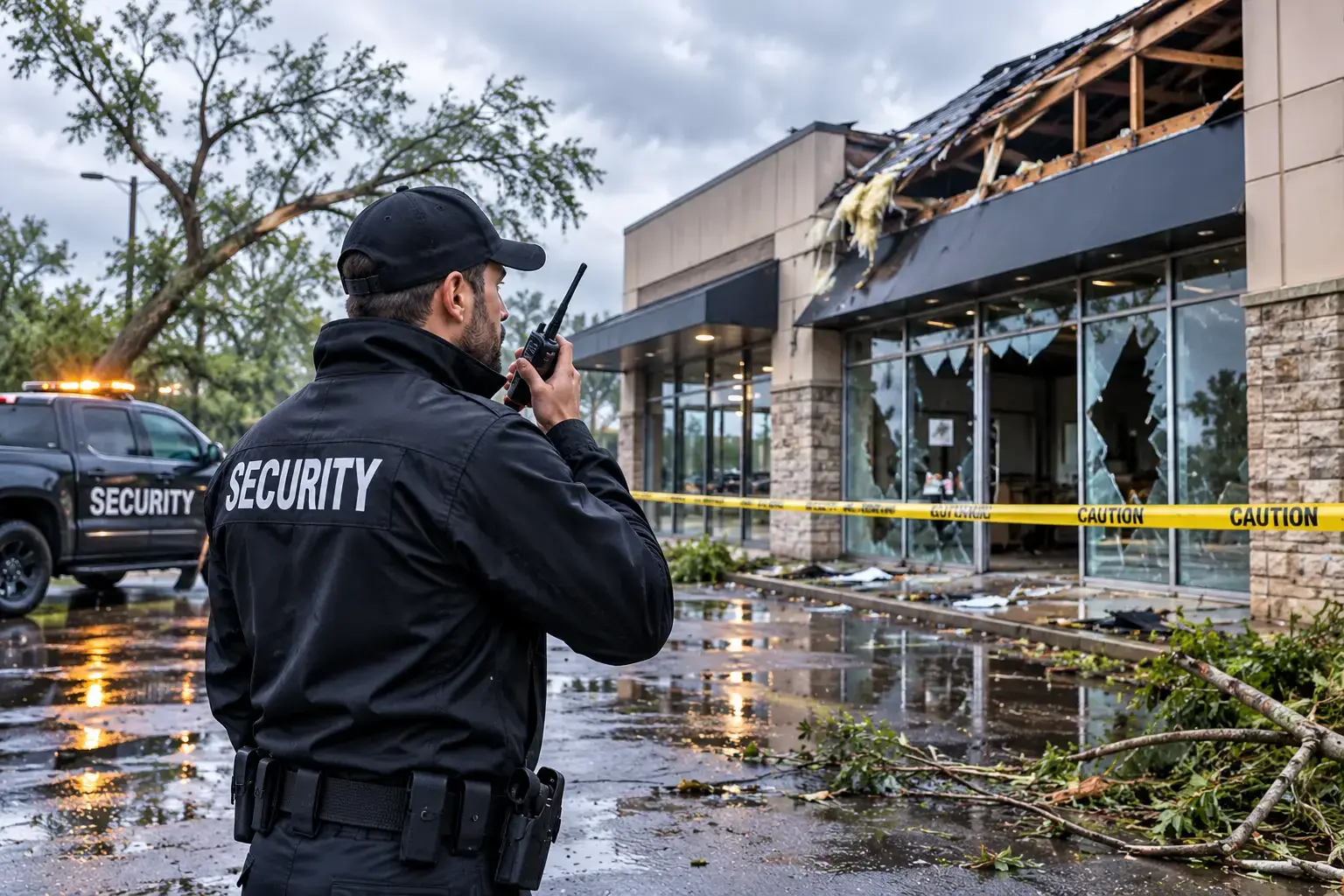
Once the weather has passed, the risk takes a hard shift to theft, trespass and liability:
- Failed alarms and cameras. Power outages take out electronic security. A physical presence fills the gap until systems are restored.
- Open or damaged buildings. Broken windows, damaged doors and collapsed fencing invite looting and squatting.
- Contractor traffic. Restoration crews, adjusters and vendors come and go. Someone needs to check who is on site and what authorization they have to be there.
- Documentation. Insurers often ask what happened to a property and when. Regular patrol reports and photo logs will help to expedite the insurance claim process.
The most useful thing you can do is to have a detailed plan prior to the event. If your sites are in a hurricane or winter-storm region, agree on post orders and a standby request before the season starts.
Civil unrest and large demonstrations
The majority of protests are peaceful, and most never even touch the businesses along their route, however when a demonstration develops for the worse, storefronts and offices nearby can be damaged within hours. Unrest also tends to move quickly, so there is limited time for an effective reactive response.
In these situations, officers are there to deter, observe and report, not to confront. A visible, professional presence on the property line will help to discourage opportunistic damage. Officers can control who enters the building, keep employees informed and be there to escalate to local law enforcement when a situation requires it.
What to plan for:
- Clear post orders. Officers should know exactly what they are and are not expected to do, including what situations call for them to step back and call the police.
- Employee safety first. Decide in advance when it is prudent for a site to close early and how staff leave safely.
- Board-up and hardening. Plywood, removed signage and moved inventory reduce the target. Officers can protect the site while that work is being undertaken.
- Extended coverage. Unrest can last several nights. Plan for 24-hour coverage and relief officers, not a single shift.
- Real-time reporting. Decision-makers need to know what is happening at each location, not hear about it the next morning.
If you operate in multiple cities, it helps to work with a provider that can cover several locations at once, so you are not having to call a different local company for each site.
Covering a building during emergency repairs
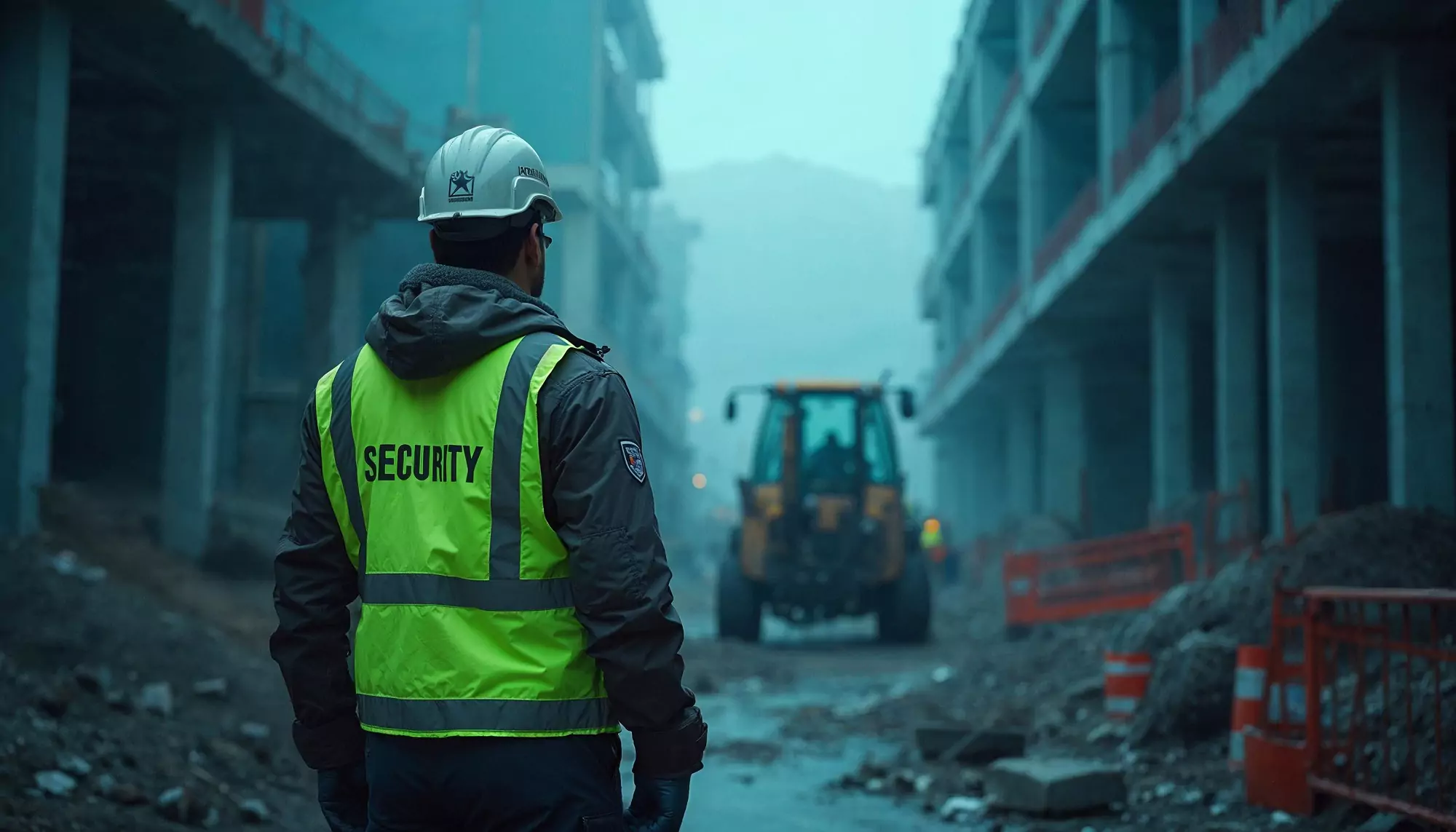
There are some emergencies that just happen and have nothing to do with the weather or crowds. Sometimes infrastructure just fails and you can have a burst pipe or a fire, or other incidents can occur such as a vehicle through the storefront, a failed roof or a broken entrance door that can leave a building open overnight. The same is true when an alarm system, access control or camera network goes down and can’t be fixed immediately.
In these cases, a security officer acts as a temporary replacement for whatever has failed:
- Fire watch. When a fire alarm or sprinkler system is out of service, the local fire authority may require a fire watch until it is restored. Check the exact requirement with your local fire marshal.
- An open or unlockable entrance. An officer can hold the space until a door, window or shutter is repaired or boarded.
- Contractor access. Emergency crews often work outside normal hours. Officers can sign them in and out and keep the rest of the building secure.
- Protecting what’s left. Inventory, equipment and records in a damaged building are easy targets until the site is closed up again.
The repair and the security usually need to be arranged at the same time. Facilities USA, our sister company, provides facility services, so clients who use both can coordinate the repair and the coverage through one call.
What makes rapid deployment work
Putting officers on a post at short notice depends on a few things being in place before the call comes in.
A deep bench in the right places. A provider can only fill a last-minute shift if it already has licensed officers in that market. Guard Services USA has completed 150,000+ shifts across 20,000+ locations, which gives us reach in markets where a single local company may be stretched thin during a regional event.
A track record of filling shifts the same day. Responsiveness is measurable. We hold 99%+ same-day shift fulfillment, the same standard we apply to emergency requests.
Proof the officer is there. In an emergency, you need to know that the guard coverage is actually in place. Our Guard Check-in app provides GPS check-in, photo verification and real-time client feedback, so you can easily view when an officer arrives and what they are seeing on site.
Clear instructions from day one. Officers arriving at an unfamiliar site need a site contact, a short set of post orders, and a way to escalate. The faster those are agreed, the faster coverage is effective.
One point of contact for many sites. A regional storm or a night of unrest rarely affects just one location. A single provider covering all of them means one call, one set of reports and one invoice.
How to prepare before you need it
An hour of planning now saves hours of scrambling during an event. Before the next storm season or high-risk period:
- Know who you will call. Have a security provider on file, with a 24-hour contact number, before an emergency happens.
- List your exposed sites. Be aware of which locations are in storm, flood or high-traffic protest areas.
- Write basic post orders for each site. Include the site contact, access points, alarm procedures and escalation steps.
- Agree on triggers. Decide what events will automatically prompt a request, such as a named storm, a citywide curfew or a failed alarm.
- Plan for duration. Assume coverage may run 24 hours a day for several days and agree on how that will be staffed.
- Decide how you want updates. Agree on how often you receive reports and who receives them.
- Line up repair partners too. Security and repairs usually happen together, so have your vendors on deck to board up, restore power or fix the door.
When the unexpected happens
Emergencies don’t follow a schedule, and the gap between an event and the first officer on site is when most losses happen. Whether you need coverage ahead of a storm, through a night of unrest or while a damaged building is repaired, Guard Services USA can help you put officers on post quickly and keep you informed while they’re there.
To set up emergency coverage, or to plan ahead for the next one, call 855-843-8900 or visit GuardServicesUSA.com.