
Visit Our Sister Company


Why Security Guards Are Essential
for Organized Retail Crime Prevention
Organized retail crime groups don’t act on impulse. They study locations, track staffing patterns, and rely on the fact that no one will physically intervene. Deterrence requires more than passive monitoring.
Organized retail crime (ORC) is coordinated, large-scale theft carried out by groups that repeatedly target multiple locations to resell stolen goods for profit. Unlike opportunistic shoplifting, it is planned, structured, and financially driven.
Speed and coordination give these groups the advantage. In fact, U.S. retail shrink alone reached $90 billion in 2025, according to Appriss Retail, underscoring the growing impact of theft and organized activity. The National Retail Federation’s 2025 Impact of Retail Theft and Violence Report shows that ORC activity has increased across key methods, including phone scams (70%), digital fraud (55%) and retail theft (52%), highlighting how these groups operate across both physical and digital channels.
Current prevention strategies are failing. Cameras document incidents, but they don’t prevent them. The real question isn’t whether you need a trained human presence. It’s how to combine it with your existing infrastructure to turn visibility into action.
Why Cameras Alone Don’t Stop Organized Retail Crime
The issue isn’t visibility, it’s response. Organized groups move in minutes, creating a gap between detection and action that cameras can’t close.
That gap allows incidents to repeat. By the time footage is reviewed, merchandise is gone, and locations may already be retargeted. Without a visible human presence, there’s nothing to disrupt the pattern or signal active oversight.
A guard presence changes the equation by introducing unpredictability and real intervention risk. Positioned at entrances, exits, and high-value areas, guards remove the consistency these groups rely on and push them toward easier targets.

What ORC Training Should Your Guard Partner Provide
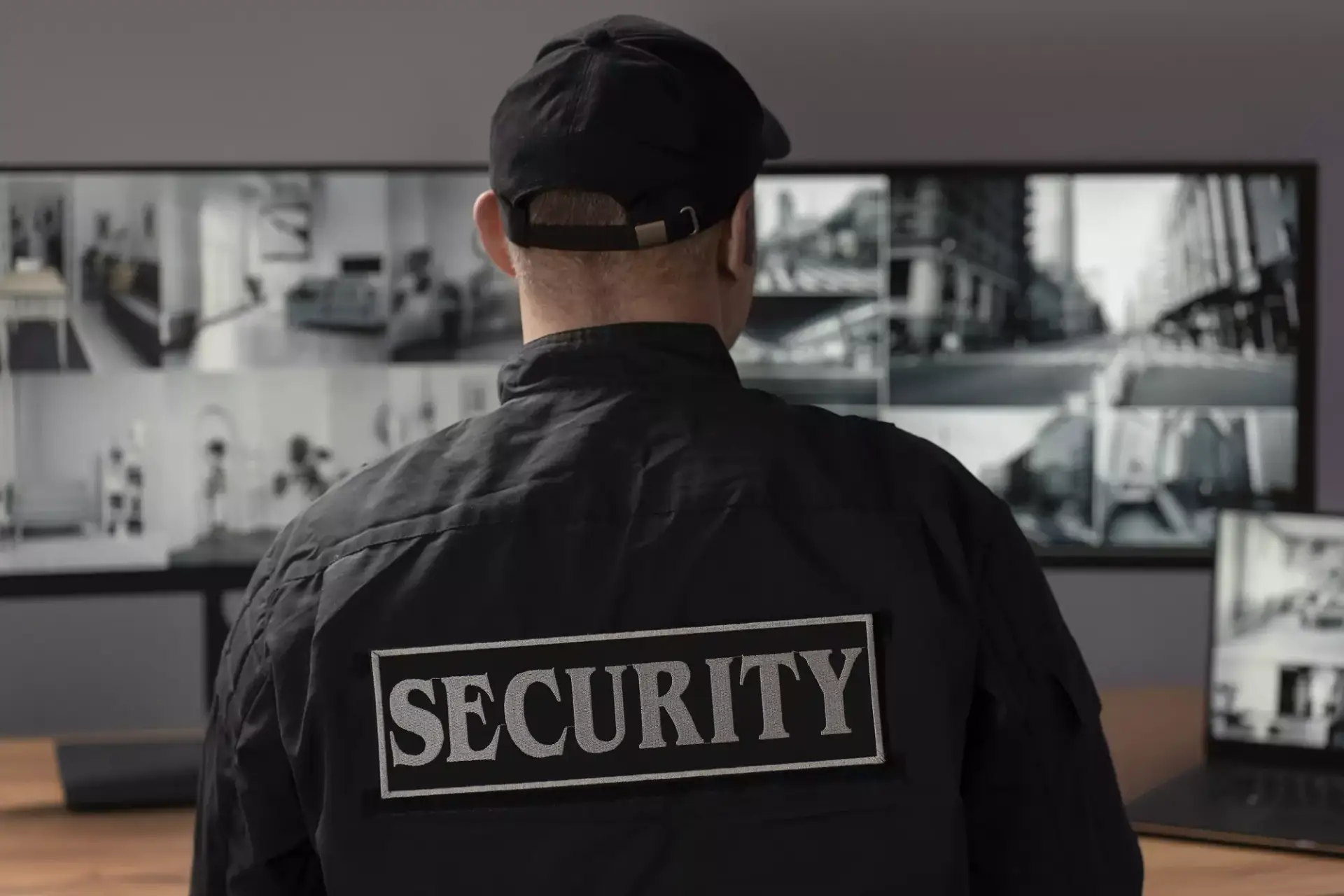
Guards must recognize role-based behavior and pre-incident indicators, including repeated visits, staffing pattern analysis, and attention to high-value areas. Repeated visits to specific high-value areas over several days, combined with timing that coincides with shift changes, are common indicators of coordinated planning. This enables intervention before incidents unfold.
Training should also establish clear response protocols: when to engage, when to observe, and how to escalate safely. Given the rising violence during theft events, guards need clear de-escalation training and the judgment to disrupt through presence rather than confrontation.
Finally, real-time incident logging and cross-location reporting enable pattern recognition and coordinated prevention strategies across multiple sites.
Where to Position Guards in High-Risk Environments
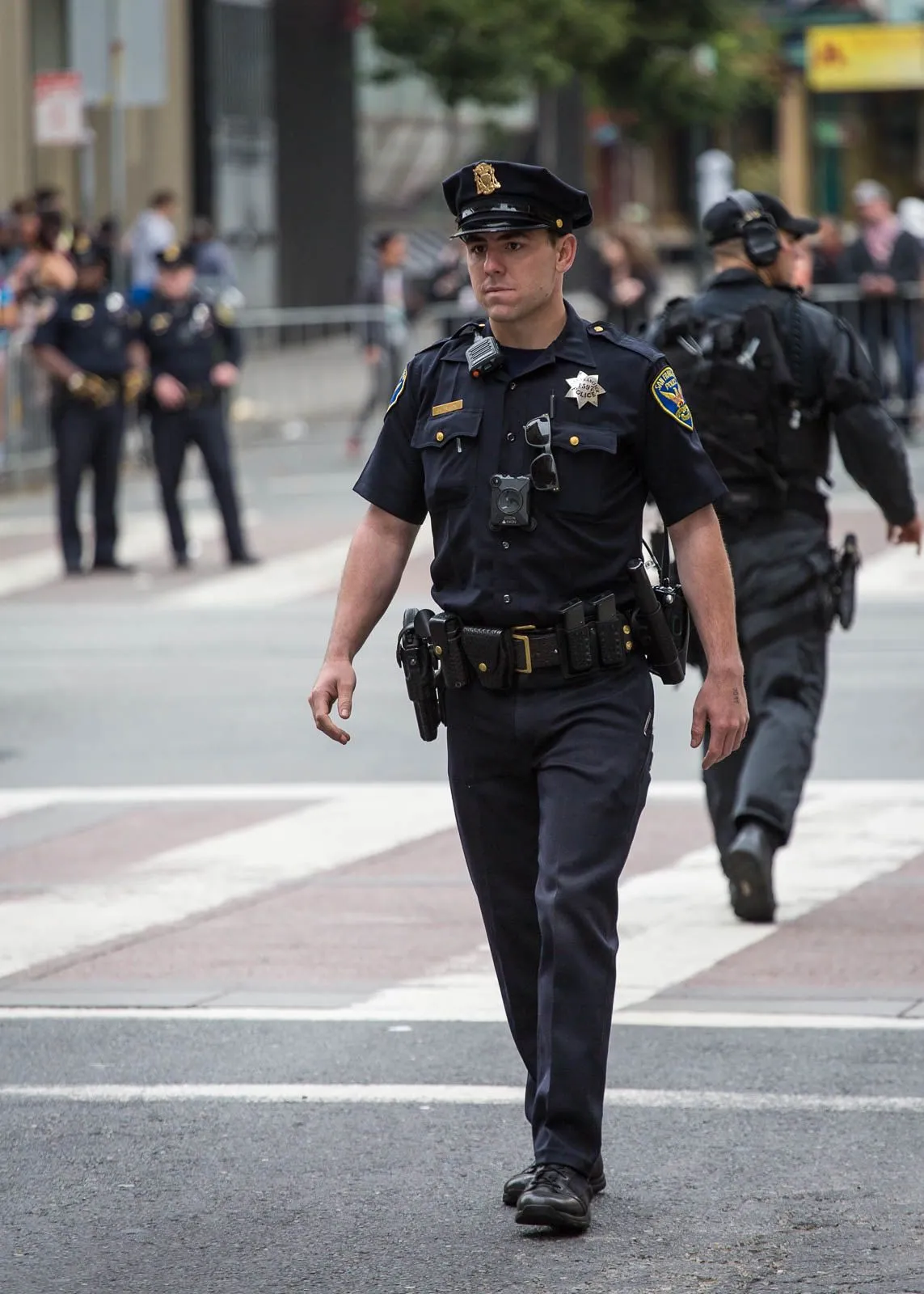
Guard placement plays a critical role in preventing ORC. Entry and exit points are the highest priority, since coordinated theft relies on speed and clear escape routes. Positioning guards at these locations creates immediate visibility and disrupts both entry and departure. High-value zones near exits also need line-of-sight coverage to reduce the risk of quick, coordinated theft.
Exterior areas, including parking lots, require attention during peak hours. These zones often serve as staging areas for organized groups planning their approach or waiting for accomplices.
For multi-location operators, consistency is essential. Applying similar positioning strategies across all sites makes it harder for organized groups to identify and exploit weaker locations.
The Technology and Human Model That Actually Works
Effective ORC prevention depends on coordination between technology and trained personnel. Technology provides real-time data and alerts, while guards interpret and act on this information to intervene immediately.
The most effective programs integrate specific tools that enable guards to recognize patterns and coordinate responses across locations:
- Mobile Guard Check-In Apps with Geolocation Tracking: Guards log their position in real time, creating accountability and identifying coverage gaps that organized groups might exploit.
- Real-Time Incident Logging on Mobile Devices: Guards document suspicious activity and coordinated behavior patterns immediately during their shift, enabling faster pattern recognition across locations.
- Cross-Location Alert Systems: When a guard logs an incident, the system automatically alerts other locations in the network, enabling rapid response if the same group targets another store.
- Cross-Location Dashboards: Centralized dashboards aggregate incident data, highlighting repeat offenders, recurring tactics, and high-risk time windows so managers can concentrate resources where needed.
- Documentation Systems Creating Audit Chains: Incident reports, photos, and timestamps are linked in a secure chain of custody, creating complete records for law enforcement and prosecution.
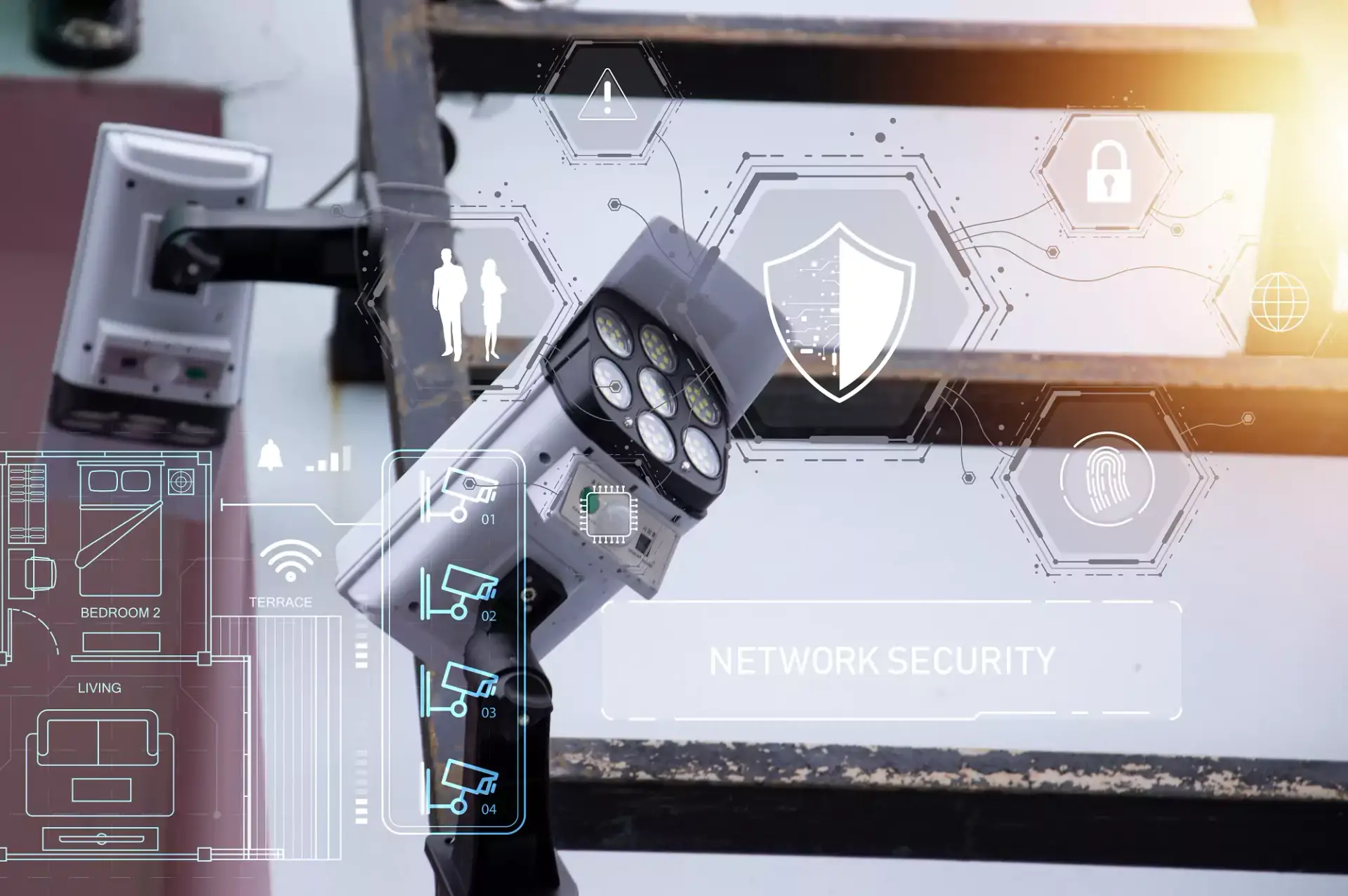
When technology provides real-time data and trained guards respond rapidly based on those insights, prevention shifts from simply recording incidents to actively disrupting criminal activity as it unfolds. This combined approach ensures patterns are recognized and acted upon across locations.
Why Prevention Requires More Than Surveillance
Organized retail crime prevention requires more than visibility. It depends on real-time intervention. As incidents become more coordinated and aggressive, strategies built solely around surveillance are increasingly out of step with how theft actually unfolds.
When evaluating guard service providers, ask:
- What ORC-specific training do your guards receive?
Training should cover coordinated theft patterns and repeat activity across locations. - When should guards engage versus observe?
Clear protocols ensure consistent, safe, and timely response. - What real-time reporting tools are included?
Look for incident logging and cross-location visibility to track emerging patterns.
The most effective strategies combine visible guard presence with real-time technology, enabling faster response and stronger coordination across locations. If your approach relies primarily on post-event documentation, it may be time to shift toward a model built for active intervention.

Frequently Asked Questions About Organized Retail Crime Prevention
What is organized retail crime (ORC), and how does it differ from shoplifting?
Organized retail crime is coordinated, large-scale theft carried out by groups that repeatedly target multiple locations to resell stolen goods. Unlike shoplifting, it is planned, structured, and profit driven. These groups often use coordinated roles, rapid entry and exit tactics, and resale networks to maximize speed and profitability.
Why don’t security cameras deter organized retail crime?
Cameras provide visibility but don’t enable real-time intervention, allowing coordinated groups to act quickly and leave before any response occurs. Because footage is reviewed after the fact, it does little to disrupt incidents as they happen or prevent repeat offenses.
What training do security guards need to address organized retail crime?
Guards need training in recognizing coordinated behavior, identifying repeat patterns, and following clear protocols for safe, timely intervention. This includes detecting pre-incident indicators, understanding group dynamics, applying de-escalation techniques, and using real-time incident reporting tools.
What security measures are most effective against coordinated retail theft rings?
The most effective approach combines visible guard presence with real-time monitoring and reporting tools that enable fast, coordinated response. Layered strategies, such as trained on-site personnel, communication protocols, and cross-location intelligence sharing, are critical for disrupting repeat activity.
How can businesses identify organized retail crime patterns across locations?
Real-time reporting systems and centralized data tracking help businesses identify repeat incidents, recognize patterns, and respond more strategically across multiple sites. Shared incident logs, time-stamped data, and trend analysis allow teams to connect activity across locations and anticipate future events.