
The 2 AM Phone Call:
How Enterprise Security Handles Emergencies
A closing-shift supervisor calls corporate security at midnight. A customer refused to leave. The situation escalated. Verbal threats were made. An associate believes the individual may be carrying a weapon. CCTV cameras flicker in the background. Every second becomes longer than it should be.
Your policy says: No need for employees to step in. Safety comes first. But at this moment, policy meets reality.
Retail emergency security response is no longer a support; it’s a frontline safeguard for your people and brand. Strong security is always connected, proactive, and easy to monitor.
Now the real test begins.
- Who answers the call?
- How quickly is support dispatched?
- What will happen in the first 10 minutes?
- Does that response reflect your organization’s safety commitments?
- Does that response reflect your organization’s commitment to safety, people, and brand reputation?
The Overnight Reality Retail Leaders Must Plan For
In the executive team, the priority never changes. They make sure to provide a safe security experience to customers and ensure a secure workplace for employees. But the problem is that the risk of an emergency is higher in the closing shift or the early shift. In these circumstances, the staff is limited, and it is a test of policies whether the security arrives at the right time or not.
Security is more than a procedure; it reflects your brand reputation and reassures people that you are safe. Retail shrinkage has increased to 1.6% from 1.4%, which is a loss of $112.1 billion. A lot of the time in these situations, a weapon is involved. Weapon involvement has risen to 39%. This is where after-hours security for stores determines whether safety promises translate into action.
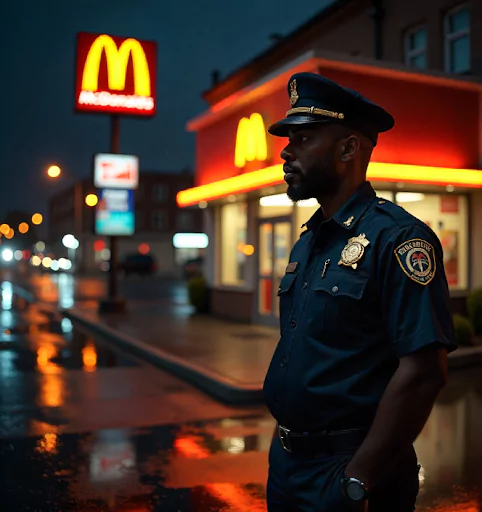

Retail Crime and Legal Reforms
As violence has increased, more retailers have opted to enforce a “hands-off” approach in the apprehension of shoplifters. More survey respondents said that no employees are authorized to stop or apprehend shoplifters (41%), compared with 38% last year.[2] As retail crime continues to evolve in scope and sophistication, so are retailers’ prevention efforts.
When asked about resource allocation to address today’s risks, 34% have increased internal payroll to support their risks, while 46% have increased the use of third-party security personnel. Over half (53%) have increased their technology and software solution budgets in the past year. With violence being one of the most concerning risks, 54% have increased or are increasing employee workplace violence training.
Where Fragmentation Breaks Down at 2 AM
When you and your team are on an overnight shift, there is a lot of risk of shoplifting. Most of the time, security vendors do a good job during the daytime. But when it’s midnight, a few staff and the risk is real, they fail due to an improper security system.
1. Multiple Numbers, No Unified Command
To save money, many retailers rely on a separate dispatch system, regional contact, and local security vendors. This strategy has a consequence, like security failing when you try to contact them at 2 AM, or they fail to reach you on time. The 24/7 security operations centre fails due to its fragmented system and puts you and your staff in danger.
2. Inconsistent Authority and Training
Even corporate policy says not to put employees in risky situations. Inappropriate training and an unpredictable authority can put your brand reputation in danger. Many retailers prohibit intervention during shoplifting incidents involving violence to prevent damage to their reputation. Enterprise alignment is not optional; it is foundational.
3. Slow Information to Corporate Stakeholders
When workplace violence incidents in retail occur, documentation speed matters. Detailed information should be provided such as time of event, any law enforcement involvement, affect on employees and whether any further action is required. These are the important pieces of information to provide to HR and legal authorities to handle the emergencies, as well as having concise details in preparation of any ensuing legal action.
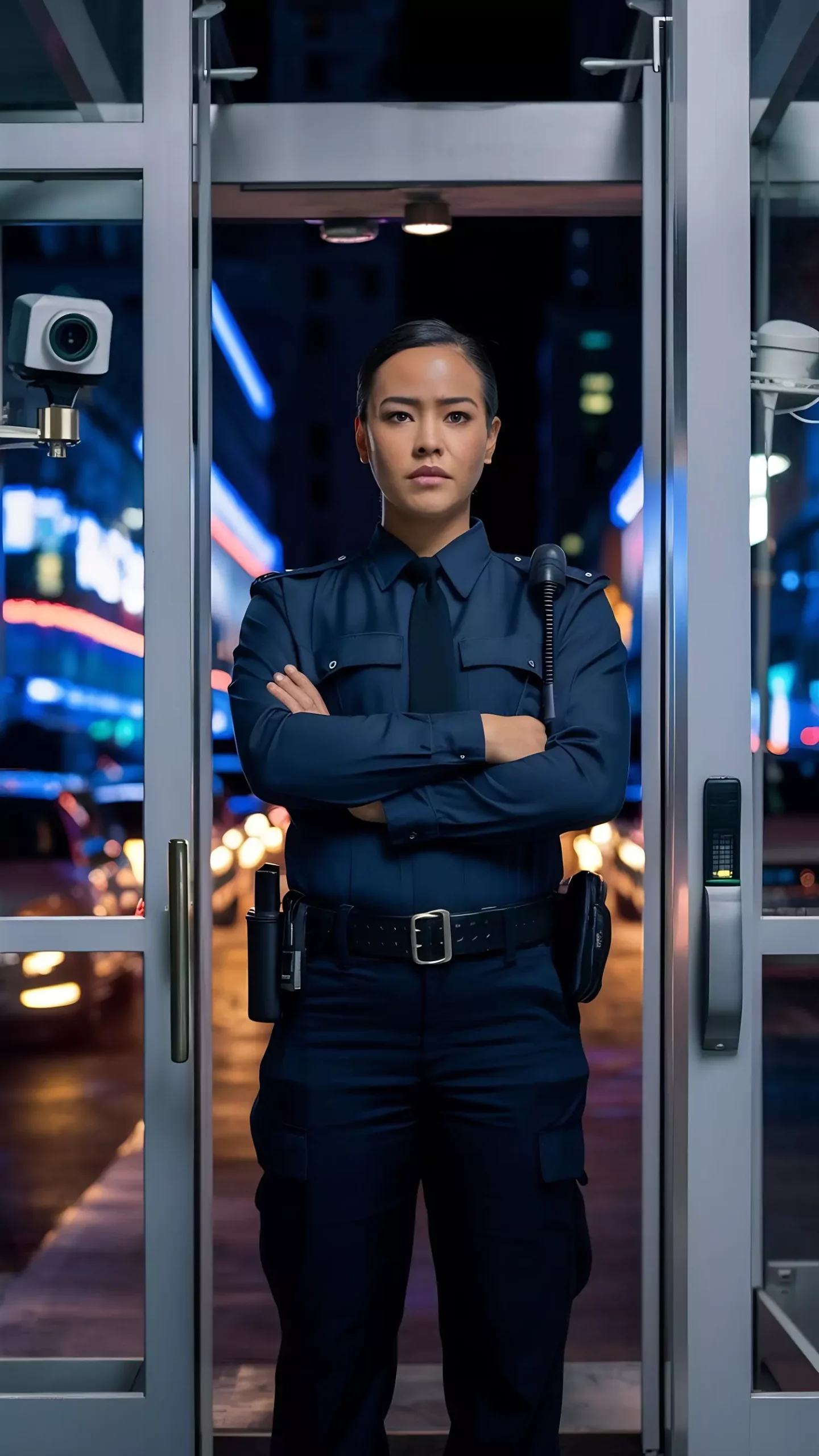
The New Enterprise Standard for Retail Emergency Security Response
The security standard is not about luck; it requires a system that works every time, even when the retailer calls you at 2 AM when the stuff is low. Retailers always need someone with a clear approach to provide employee safety, customer security, and operational continuity around the clock. Passing the 2 AM test requires organized infrastructure.
1. A Fully Staffed 24/7 Security Operations Center
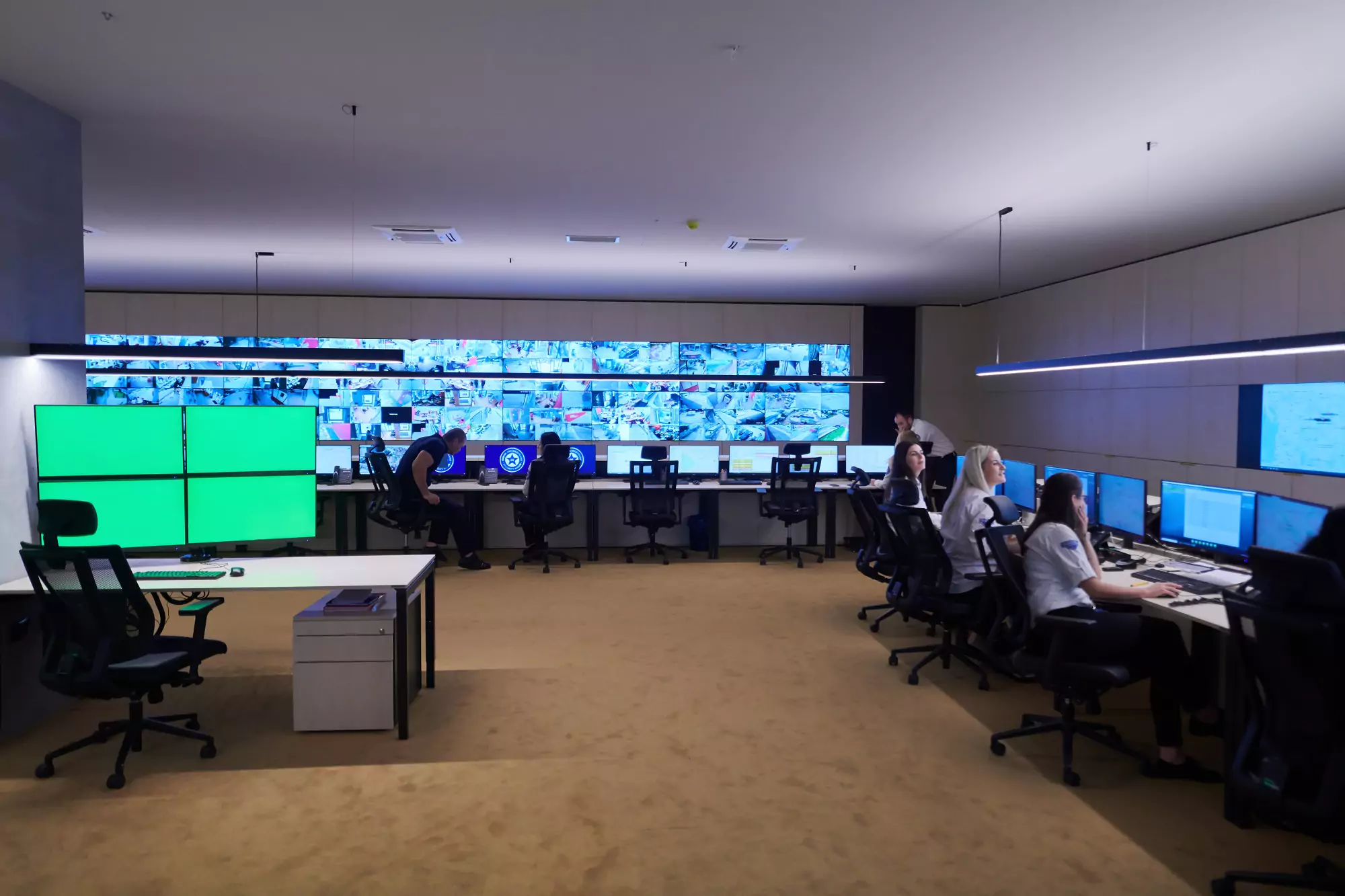
Effective emergency response needs a command centre, not a voicemail or a third person answering the call. The command centre needs to coordinate with field officers and law enforcement, in addition to also being responsible for maintaining national oversight. Effective retail emergency security response begins here. Without this centralized centre, the response will be slow, putting employees and assets in danger.
2. Pre-Defined Playbooks by Incident Type
Having a predefined playbook helps security vendors to handle the situation professionally. Although the procedure and playbook keep changing with time to keep the security services remain fully optimized. In the playbook, the whole procedure will be provided, so that the situation can be handled properly following the appropriate steps. The first step is to identify the potential risks and threats your retail business may face. Prioritize the risk based on potential impact. Potential emergency situations that you may face and have to increase security coverage for include:
- Natural disasters (e.g., hurricanes, floods, earthquakes)
- Technological failures (e.g., power outages, data breaches, system crashes)
- Human-caused incidents (e.g., theft, vandalism, workplace violence)
3. De-Escalation Training Aligned with Policy
It is critical that guard services companies are aligned on predefined policies that guards have to adhere to in order to fulfill their shift. If a corporate company says that there should be no interference, then their 24-hour security guard services must follow the same. Their training should focus on verbal de-escalation, strong visible performance, and keeping the situation stable until law enforcement can intervene.
4. Rapid Documentation and Corporate Reporting
Enterprise-grade response includes structured reporting within hours. For procurement, finance, HR, and legal stakeholders, they must remain in lock step as documentation quality directly impacts downstream decision-making. The following are items that should be included within the documented security guard shift:
- Verified incident timeline
- Guard activity log
- Escalation steps taken
- Law enforcement interaction summary
- Risk mitigation recommendations
5. Clear And Open Communication
Realistic coordination and collaboration between retail management and its employees is the foundation for team cohesion. Often as little as a weekly 10-minute meeting between management and retail associates can establish a safer work culture. In addition, conducting a monthly tenant meeting allows for a better flow of information and generates actionable information for the stores. Establishing a consistent flow of information among retailers, employees, law enforcement, and community leaders promotes a progressively safe environment.
The National Partner Advantage
When evaluating security for hire, proximity alone is insufficient. A search for “private security near me” may solve a staffing need. It rarely solves enterprise integration. The differentiator is not manpower; it is coordination. A national partner delivering consistent retail security guard coverage provides:
- A single point of contact
- Standardized training
- Unified escalation protocols
- Centralized reporting dashboards
- Surge capacity during crime spikes or civil unrest
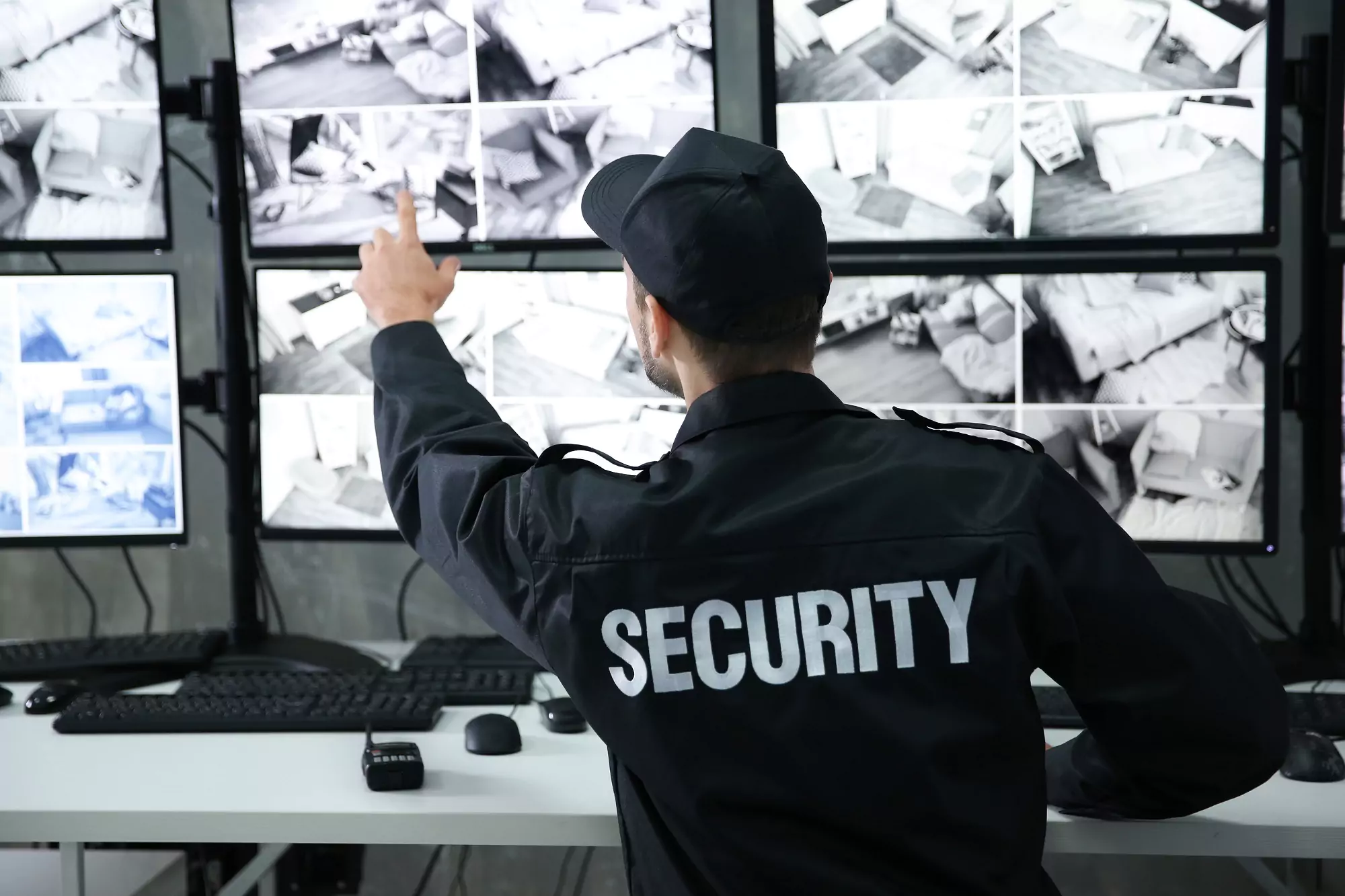
Linking Emergency Response to Corporate Performance
Whenever an incident occurs, it not only impacts a single location or property, but it also ripples across the entire business and affects the business badly. Hiring of employees and methods of business handling explains how customers experience the brand and the overall smooth running of operations.
1. Hiring and Retention
Most businesses struggle to find workers because of theft and fights. Nearly 93% retailers say danger scares off job seekers. Staff need to know help arrives fast if trouble hits. When people feel safe, they stay longer at work in addition to them being more likely to remain at the company. Fewer resignations mean lower hiring costs down the line. Trust grows where responses are swift and sure, and quick alerts during crises ease fears on the floor.
2. Customer Experience
In business growth, customer experience is the most vital thing. Due to crimes like theft or violence, customers may look down on your enterprise and be less likely to patronize your business. 76% of retailers have already implemented additional security for this purpose, such as bag checking or restricted areas. In short, it is essential that customers feel in a secure and safe environment.
3. Operational Stability
Crime threatens the people, but it also has a bad impact on your business operations. When danger hits, a smart plan keeps work moving without panic. It cuts knee-jerk reactions. Safety stays strong. Income holds steady. Operations push through unsteady times.
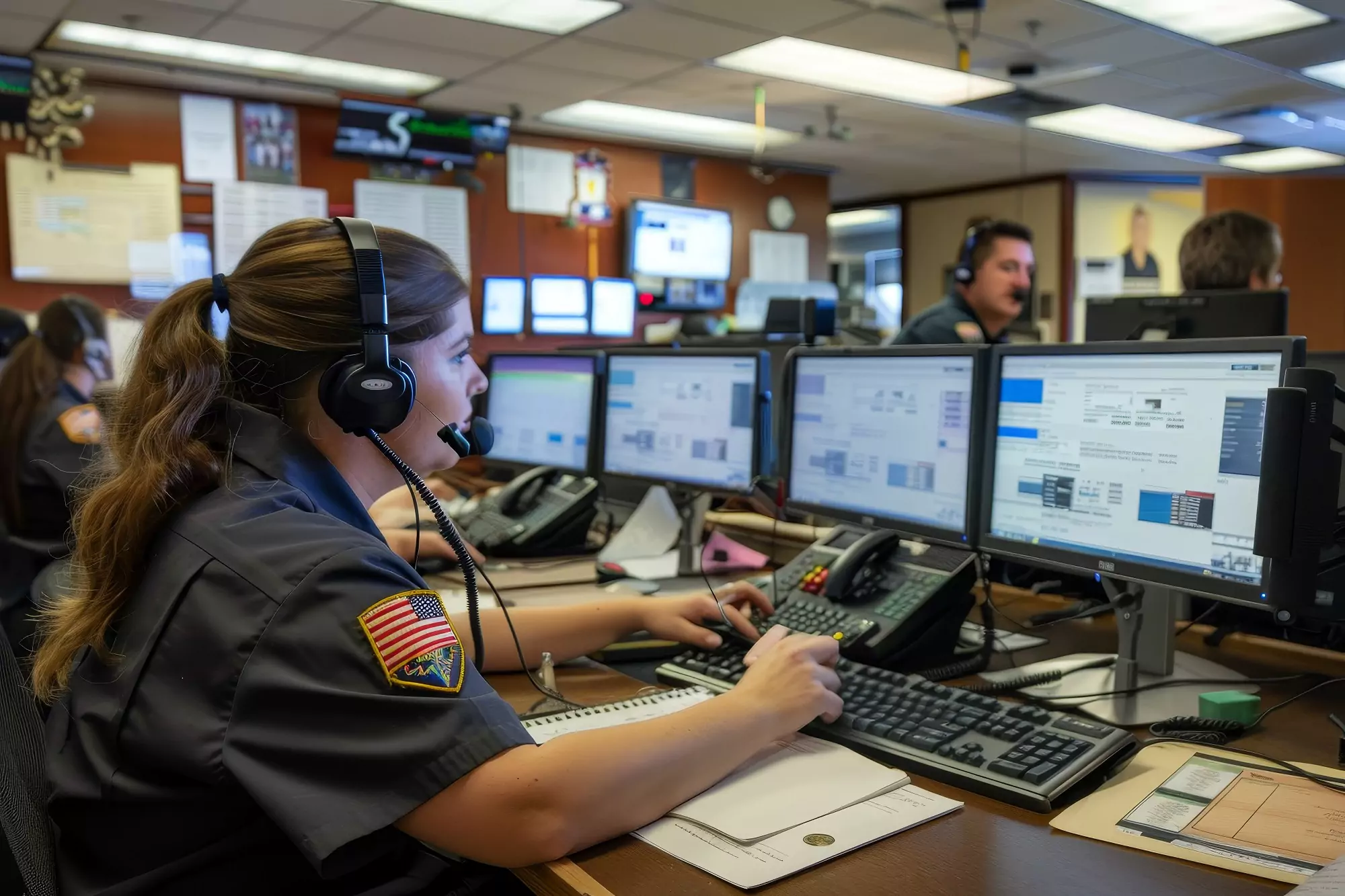
The 2 AM Test
When companies talk about security, the main focus is on loss, budget, or contract, but the real question is: who answers the phone at 2 AM? What happens in the first 10 minutes, and is that response the same at every location? Does it match your commitment to keeping people safe? Guard Services USA is there to help you and your brand maintain your reputation. When chaos calls, we answer fast.
Guard Services USA provides services in 500+ locations. We understand the unique complexities and security challenges that retail businesses face, and we provide customized solutions for your business.
Frequently Asked Questions About Los Angeles Security Guards
What should happen when a security incident occurs at 2 AM?
To handle a security incident at 2 AM, retailers need a pre planned, fast, and calm response to prevent loss. Most of the incidents occur around midnight when there tends to be reduced staff working, and response depends on automation.
Why is 24/7 security operations center coverage important for retail?
At midnight, when the staff is low, the security incidents occur more, but when a retail company hire a 24/7 security operator, they can easily make up for the time. 24/7 Security Operations Center (SOC) coverage is critical for retail because it transforms security into a proactive, round-the-clock defense against theft and safety incidents
How do national security partners handle emergency response?
They rely on the National Response Framework (NRF), which aligns key roles and responsibilities among federal, state, local, tribal, and private sectors. They handle the situation with structure and a collaborative framework.
What questions should retailers ask about after-hours security coverage?
Every business owner should check how fast help arrives when trouble hits. Questions matter: like how quickly someone shows up during an emergency. Some services include video check-in’s along with patrols undertaken by foot or vehicle. Guard readiness counts too, so knowing their preparation for real incidents helps weigh quality. Training routines shape how calmly they react under pressure.