
Visit Our Sister Company


Election Year Security Planning
for Multi-Location Retail and Restaurant Operators
Election year security planning differs because safety is the top priority, and the election cycle poses risks to retail stores, quick-service restaurants (QSRs), healthcare businesses, and financial institutions. These may include increased foot traffic, spontaneous gatherings or protests, heightened tensions among customers, and disruptions to normal operations.
Because election year security planning is a repeatable operational cycle, it allows you to prepare staffing, site-level risk assessments, and communication protocols ahead of expected demand spikes.
How Election Cycles Affect Retail Security Risk
Election cycles bring increased engagement from the general public to get out and share their opinion. According to the Crowd Counting Consortium at Harvard University, the U.S. saw over 8,300 protest events in 2024 related to political and election activity, with noticeable spikes leading up to and immediately following Election Day.
Proximity to polling locations and civic infrastructure can increase foot traffic around your building. Retail stores and restaurants near government buildings, public transit hubs, or downtown gathering areas are especially likely to experience higher-than-normal activity. If you are in the suburbs, gatherings may be smaller in number, while an urban location is more likely to experience disruptions to access, staffing shortages, and increased customer flow.
In the past, you may have had a heads-up on large crowd gatherings. Now, with at least 71% of Americans regularly checking social media, news about a meeting place can spread in as little as a few hours. This limits your reaction time, especially if you don’t have contingency plans covering every scenario.
For multi-location operators, the challenge is not only identifying risk but also managing uneven risk across hundreds or thousands of locations simultaneously.
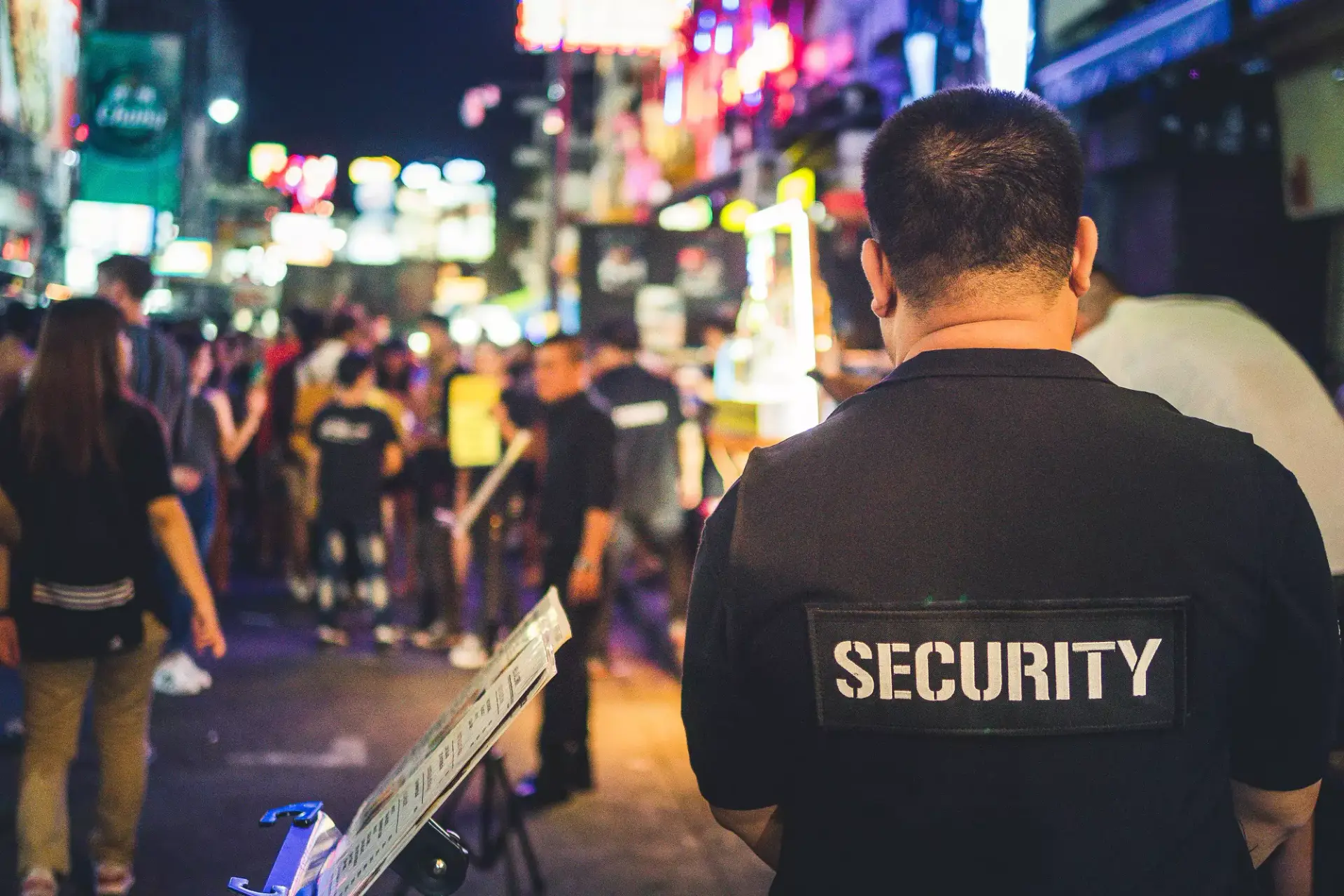
When Should Retailers and QSR Operators Begin Election Security Planning?
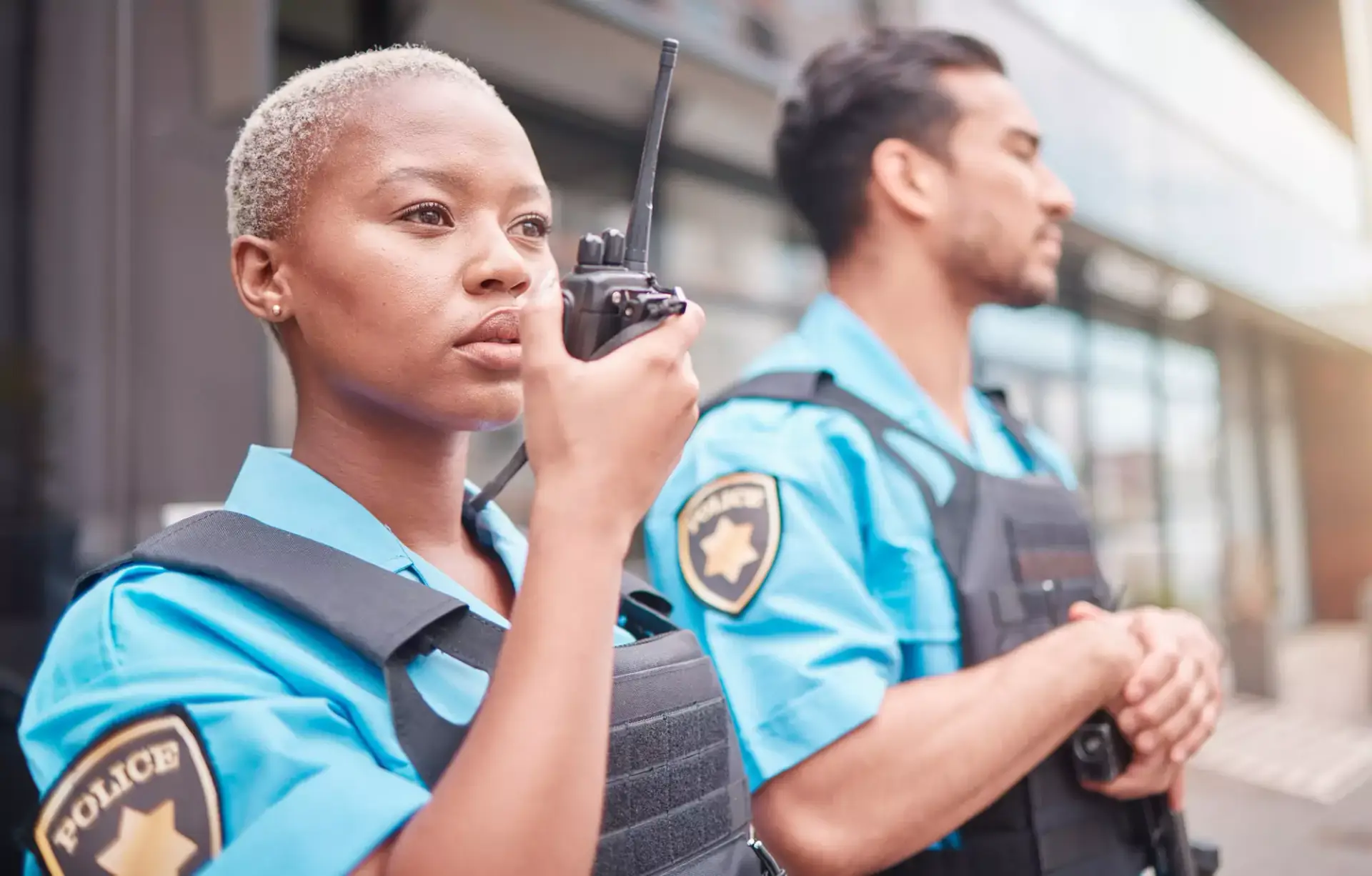
Key assessments and an outline of plans should be in place by September. Mid-term elections happen in early November, so election security planning should begin no later than early Q3.
This timeline allows operations leaders to:
- Validate site-level risk exposure before early voting
- Align staffing models with projected demand
- Coordinate with local partners before schedules tighten
Delaying planning can put you in a corner, forcing reactive staffing decisions, increasing costs, and leading to insufficient coverage across locations.
Three Pre-Election Assessments Every Operations Director Should Complete
Start with these three focused assessments for a practical election security plan.
- Map Location-Based Risk: Group your locations into high-, medium-, and low-risk categories based on factors like proximity to polling sites, civic buildings, and public transportation.
- Review Historical Incident Data: Look at prior election cycles, local protests, and seasonal disruptions.
- Validate Local Constraints: Confirm local ordinances, property management policies, and law enforcement support expectations.
Why a Staffing Surge Strategy Is Vital
Build a flexible staffing model that scales coverage during key election windows, like early voting periods and Election Day, to prevent overspending. Use historical data, location-based risk tiers, and anticipated foot traffic to adjust staffing levels where they’re needed most, while maintaining baseline coverage elsewhere. This targeted approach helps control costs while ensuring your highest-risk locations remain fully supported.
How to Brief Security Guards for Politically-Sensitive Environments
Security guard briefings during election periods should be clear, consistent, and scenario-based. At a minimum, guards should understand specific risk factors for each site, including expected activity levels. They should understand the rules of engagement, including examples of how to de-escalate intense situations.
Guards should be prepared to set boundaries regarding political neutrality and customer interaction. Briefings should be standard across the board with tailored instructions for each site.
Frequently Asked Questions
What security measures should retail stores take during election season?
Follow these six steps to make a robust security plan during the election year.
- Conduct site-by-site risk assessments.
- Increase guard presence.
- Adjust staffing during peak times.
- Brief guards on de-escalation protocols.
- Coordinate with local law enforcement.
- Monitor conditions in real time.
How do election protests affect multi-location retail operations?
Election protests cause uneven disruptions across locations, affecting access, staffing, and customer flow. High-density areas and locations near civic buildings typically experience the most operational strain. For example, a store near a downtown courthouse may need guards briefed to manage sidewalk congestion and maintain clear entrances if a demonstration forms nearby.
When should retailers begin election security planning?
Retailers should begin planning in early Q3 and complete core assessments by September to be adequately prepared before early voting and Election Day. Reviewing potential security scenarios in advance allows teams to evaluate coverage options methodically, rather than making rushed decisions under pressure.
How do you brief security guards for politically sensitive environments?
Brief guards using location-specific scenarios, clear rules of engagement, and defined communication protocols. Emphasize de-escalation, awareness, and strict neutrality. For example, a guard working near a public gathering area should be prepared to monitor a peaceful protest without engaging, while knowing exactly when behavior crosses the threshold for escalation.
Stay Ready with Election Year Security Planning
One advantage of planning staffing, logistics, and crowd control during an election year is the predictability of the timeline: you know when early voting begins, when national days of protest may occur, and exactly when Election Day will take place.
Start building a plan now to support 24/7 operations across your locations, including clear emergency protocols and a focus on efficient execution. Contingency plans for every possible scenario should be in place by September. Election year security planning can also serve as a template for subsequent annual safety reviews. Guard Services USA, a qualified guard services partner, can accelerate this process significantly.